
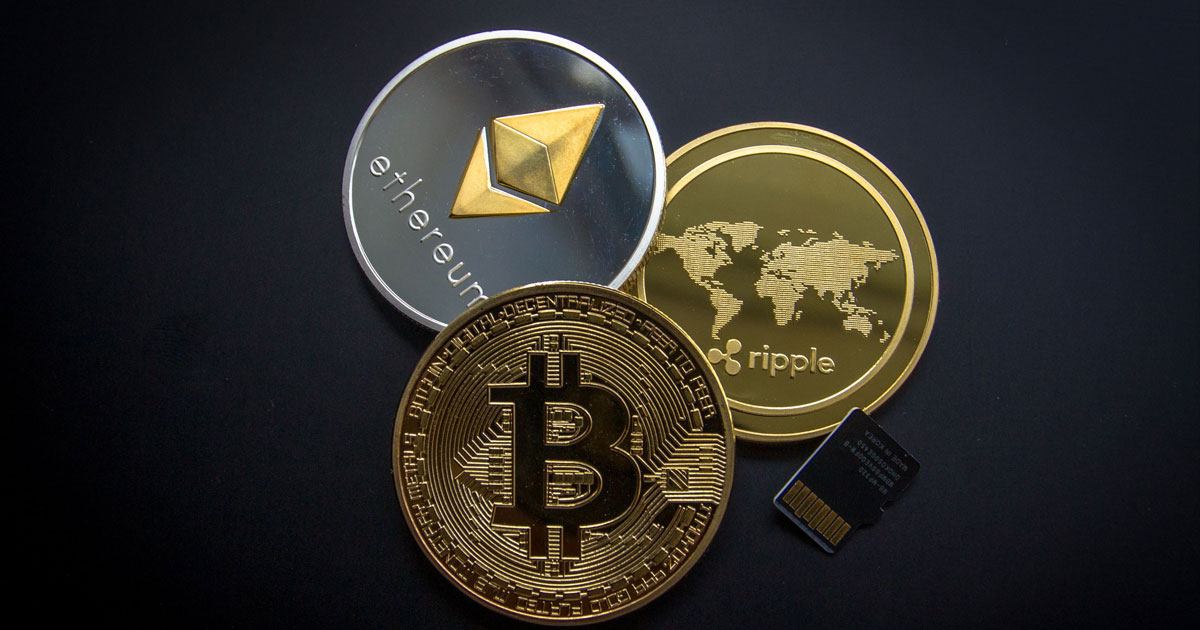
Cryptocurrency is one of the easiest categories of wealth to lose entirely upon death. Without proper succession planning, the private keys disappear, the wallets become permanently inaccessible, and the digital assets are lost to the family forever. UAE residents holding any meaningful crypto position need to address this risk during their lifetime, not after.
The UAE has developed specific legal infrastructure for crypto inheritance, primarily through the DIFC Wills Service Centre’s Digital Assets Will. This guide explains how crypto succession works under UAE law, what the DIFC Digital Assets Will does, and how to structure an effective digital estate plan.
The default position under UAE law
Without a properly drafted will, UAE succession defaults to Sharia inheritance principles for Muslims and to the personal law of the deceased’s country of origin for non-Muslims. For digital assets, both default regimes face the same practical problem: the heirs need to know that the assets exist and need to be able to access them.
Sharia inheritance treats crypto as part of the deceased’s estate, subject to the standard rules of forced heirship. The technical challenge is that Sharia-compliant succession requires the assets to be identifiable, accessible, and capable of being distributed. Lost private keys defeat all three requirements.
For non-Muslims, the DIFC Wills regime allows the testator to dispose of their UAE-based assets according to their wishes, free from forced heirship. The DIFC Wills Service Centre offers several will types, including the Digital Assets Will introduced specifically for the inheritance of cryptocurrency and other digital holdings.
What the DIFC Digital Assets Will covers
The DIFC Digital Assets Will is structured around the unique technical features of digital wealth. It allows the testator to identify the digital assets, designate beneficiaries for each, and provide for the secure transmission of access credentials.
The covered assets include cryptocurrency wallets (both hot and cold storage), exchange account balances, NFT holdings, social media accounts (with instructions to delete, memorialise, or transfer), domain names, cloud storage, and other digital intellectual property. The breadth of the framework reflects the reality that a modern estate often has substantial value sitting in digital form.
The mechanism includes a non-custodial DIFC wallet through which assets can be allocated to beneficiaries during the testator’s lifetime or distributed after death according to the testator’s instructions. The technical implementation avoids the typical risk that handing a beneficiary the private keys before death effectively transfers the asset before the testator intends.
Eligibility and procedure
The DIFC Wills regime is available to non-Muslims, including UAE residents and non-residents who own UAE-based assets. The Digital Assets Will specifically requires that the digital assets be accessible or manageable within the UAE, or that the testator is domiciled in the UAE.
Drafting and registration are conducted in English, before a DIFC Wills Officer, either in person or through video conferencing. The procedure involves identifying the assets, designating beneficiaries, addressing access credentials securely, and signing in compliance with the DIFC Wills and Probate Registry rules.
The will becomes legally binding upon registration. Updates are possible during the testator’s lifetime, which is important for digital assets that change frequently as wallets are created, exchanges are added, and positions are restructured.
Common drafting mistakes to avoid
Including private keys in the will text. This is a critical mistake. The will becomes a probate document and may be reviewed by multiple parties. Private keys in the will text create a security vulnerability for the assets while the testator is still alive. The proper approach uses indirect mechanisms (separate sealed instructions, hardware wallets with documented locations, multi-signature arrangements) rather than disclosing keys directly in the will.
Failing to address access mechanics. The beneficiaries need to know what to do, not just that they have inherited something. Detailed practical instructions on how to access each category of assets are part of a well-designed digital estate plan.
Treating crypto as a single asset class. Different crypto holdings have different succession characteristics. Exchange-held assets can be transferred through the exchange’s bereavement procedures (where they exist). Self-custodied assets require physical access to wallet devices or seed phrases. NFTs and DeFi positions have their own specific mechanics. A blanket approach to all crypto holdings misses these distinctions.
Failing to update the will as the digital estate evolves. A will drafted in 2022 referencing the testator’s holdings at that time will not capture later changes. Annual or semi-annual review of the digital estate plan is appropriate for active crypto holders.
Failing to coordinate with non-DIFC succession. UAE-based assets covered by a DIFC will are one element of an international estate plan. The interaction with non-UAE assets and non-UAE wills requires coordinated drafting to avoid contradictions and gaps.
Tax implications of crypto inheritance
The UAE does not impose inheritance tax. Cryptocurrency passed to heirs under a UAE will is not subject to UAE inheritance taxation, and no UAE capital gains tax applies to the inheritance event for individuals.
Tax implications may arise in the heirs’ jurisdictions of residence, particularly where those jurisdictions apply inheritance tax, estate tax, or worldwide income taxation. Crypto inherited by a heir resident in the UK or the US, for example, may trigger tax obligations under those jurisdictions’ laws, even though the assets and the testator were in the UAE.
Cross-border tax coordination is part of a well-structured digital estate plan, particularly for high-value holdings or where the heirs are resident in tax-significant jurisdictions.
Frequently Ask Question
What happens to my crypto if I die without a will in the UAE?
Without a properly drafted will, UAE succession defaults to Sharia inheritance principles for Muslims and to the personal law of the deceased’s country of origin for non-Muslims. The bigger practical risk is that the heirs may not know the assets exist or may not be able to access them. Crypto held in self-custody without succession planning is often lost permanently.
What is a DIFC Digital Assets Will?
A DIFC Digital Assets Will is a specialised will type offered by the DIFC Wills Service Centre, designed for the inheritance of cryptocurrency, NFTs, social media accounts, and other digital assets. It includes a non-custodial DIFC wallet mechanism that allows assets to be allocated to beneficiaries during the testator’s lifetime or distributed after death according to the testator’s instructions.
Can Muslims register a DIFC Digital Assets Will?
The DIFC Wills regime is generally available to non-Muslims. Muslims with UAE-based digital assets need to address inheritance through Sharia-compliant mechanisms, which can still incorporate effective succession planning for crypto. Specialist legal advice is essential for Muslim testators with significant crypto holdings.
Should I include my private keys in my will?
No. Private keys in the will text create a security vulnerability while the testator is alive. The proper approach uses indirect mechanisms: separate sealed instructions, hardware wallets with documented locations, multi-signature arrangements, or the non-custodial DIFC wallet provided through the Digital Assets Will. Specialist drafting addresses access without exposing the assets.
How often should I update my DIFC Digital Assets Will?
Annual or semi-annual review is appropriate for active crypto holders. New wallets, new exchanges, significant changes in holdings, and changes in beneficiary circumstances all warrant updates. The DIFC framework allows updates during the testator’s lifetime, and using that flexibility is important to keep the plan current with the evolving digital estate.
Will my heirs face UAE tax on inherited crypto?
No. The UAE does not impose inheritance tax, and no UAE capital gains tax applies to the inheritance event for individuals. Tax implications may arise in the heirs’ jurisdictions of residence, particularly where those jurisdictions apply inheritance tax, estate tax, or worldwide income taxation. Cross-border tax coordination is part of a well-structured plan.
Speak to Lexorium Legal Consultancy
Lexorium Legal Consultancy advises UAE residents on cryptocurrency inheritance planning, DIFC Digital Assets Wills, Sharia-compliant succession for crypto holdings, cross-border estate coordination, and the practical mechanics of digital asset transmission to heirs.
If you hold significant cryptocurrency in the UAE, get in touch with Lexorium Legal Consultancy to structure a digital estate plan that protects what you have built for the people who matter most.